Looking ahead: Estonia’s startup ecosystem sets its sights on 2035
Summer is officially over. Startup people are wearing shoes again, calendars are filling up, investors are asking what’s next, and somehow everyone is already talking about 2035.
So, a fairly normal start to the season.
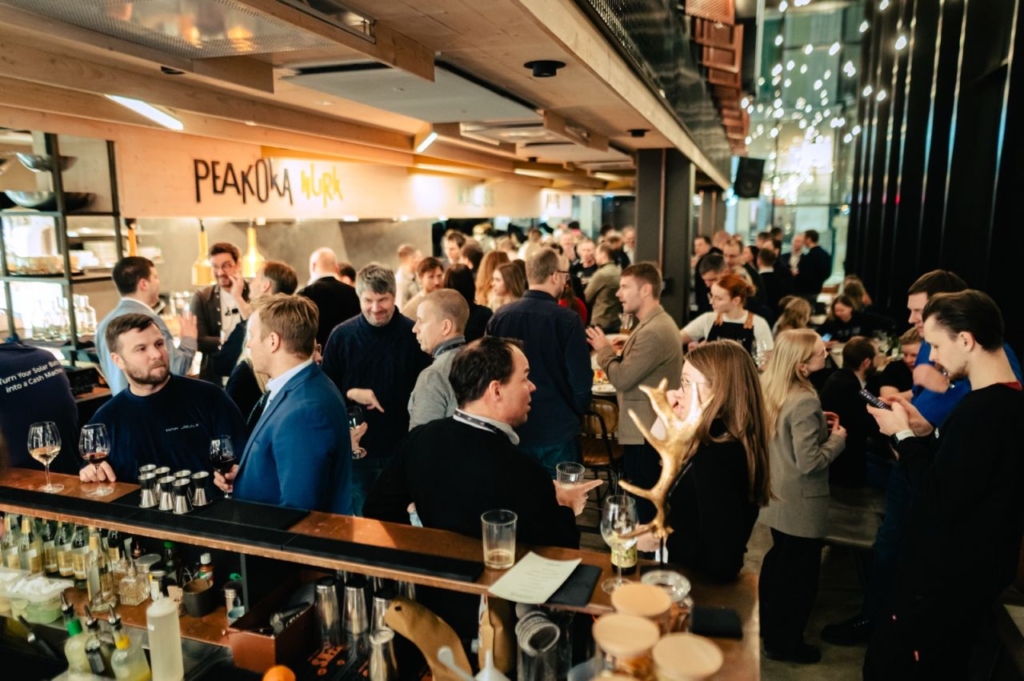
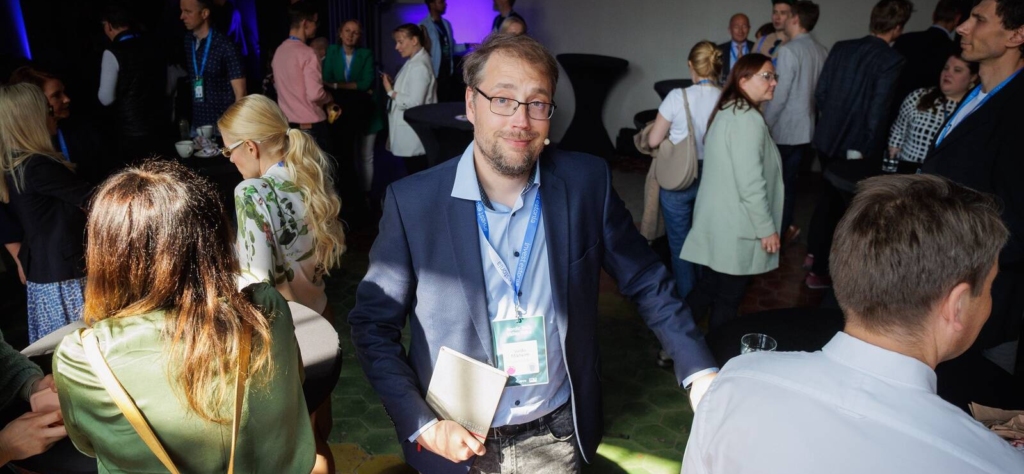
This week, founders, investors, ecosystem organisations and policymakers gathered at Botik for the Startup Ecosystem Season Opening Party, hosted together by the Estonian Founders Society, EstBAN, EstVCA and Startup Estonia.
The evening had two main topics: a first look at the draft Estonian Startup Vision 2035, and a founder panel on what building a company in Estonia actually looks like right now. And, naturally, plenty of networking. Because in Estonia, quite a lot of ecosystem development happens somewhere between the official programme and “wait, you two haven’t met yet?”
So, what exactly is the vision?
In short, by 2035 Estonia wants to be one of Europe’s most trusted and effective startup environments. That sounds simple enough – until you start asking what it actually takes to get there.
The draft vision, developed together with the Estonian Founders Society, Startup Estonia, EstVCA, EstBAN, Sparkup Tartu Science Park and Tehnopol, looks at seven interconnected areas: growth, internationalisation, founders, talent, capital, environment and experimentation, and global positioning.
And interconnected really is the key word here. Talent without capital does not get us very far. Capital without founders is also somewhat inconvenient. Internationalisation needs strong companies behind it, and global positioning needs more than good marketing.
Startup ecosystems are systems, after all. Everything is connected to everything else.
Estonia already has plenty going for it. We are small, highly networked and unusually good at making things happen with limited resources. People know each other, introductions happen quickly, and the distance between “I have an idea” and “you should talk to this person” can sometimes be measured in minutes.
Trust, efficiency and a strong community do not stay in place simply because they once appeared in an international ranking. They need people, time, money, attention and a fair amount of persistence. Fortunately, the ecosystem seems to have some of that.
Meanwhile, founders are still building
A vision for 2035 is useful, but eventually somebody has to build the companies.
So Vaido Mikheim from Startup Estonia invited Ergo Sooru from DrHouse, Kelly Lilles from ALPA Kids and Avery Schrader from Modash onto the stage to talk about where their companies are today. Different companies, different stages and different challenges – yet the overall mood was surprisingly upbeat.
That is worth pointing out, because startup panels can easily turn into a collection of dramatic pivot stories, lessons in resilience and reminders that fundraising is difficult. All of those things remain true. But so does something else: Estonian companies keep growing, experimenting and entering new markets. Founders keep starting new things, and investors keep looking for what comes next.
Judging by the conversations in the room, they are looking quite actively. Several investors asked some version of the same question during the evening: what’s coming next?
The reassuringly broad answer is: quite a lot.
New startups and technologies. International study trips. Pitching opportunities. Trainings and networking. And probably a few unexpected companies that most of us have not heard of yet. Those tend to be the interesting ones.
The ecosystem mostly happens between people
The strongest part of Estonia’s startup ecosystem has never been a single programme, organisation or strategy document. It is the density of connections between people.
Founders talk to investors. Investors talk to universities. Universities talk to support organisations. Policymakers talk to everyone. Sometimes everyone disagrees, which is generally healthier than everyone politely agreeing. And because Estonia is small, these conversations happen often.
That is why joint ecosystem events matter. Not because another networking event will single-handedly create the next unicorn – it probably will not – but because somebody meets somebody. A founder gets an introduction. An investor hears about a company slightly earlier than they otherwise would. Two organisations realise they are planning suspiciously similar things and decide to work together instead.
Small interactions add up. That is how ecosystems actually work. The Startup Vision 2035 is therefore not meant to be a finished answer handed down from somewhere above. It is a draft, and it should evolve. If Estonia wants to remain one of Europe’s strongest places to build ambitious companies, the people building, investing in and supporting those companies need to keep challenging it.
What are we missing? What should Estonia be exceptionally good at by 2035? And perhaps the hardest question of all: how will we know if we succeeded? There are ten years to figure it out.
Plenty of time. Right?
And because Estonia occasionally likes to add a little production value to its ecosystem events, the evening ended with people climbing onto rooftops to watch a partial solar eclipse. Founders, investors, policymakers and a celestial event with limited availability.
Not a bad way to open the season.