startup ecosystem knowledge sharing
Estonian Ecosystem Fireside Chat
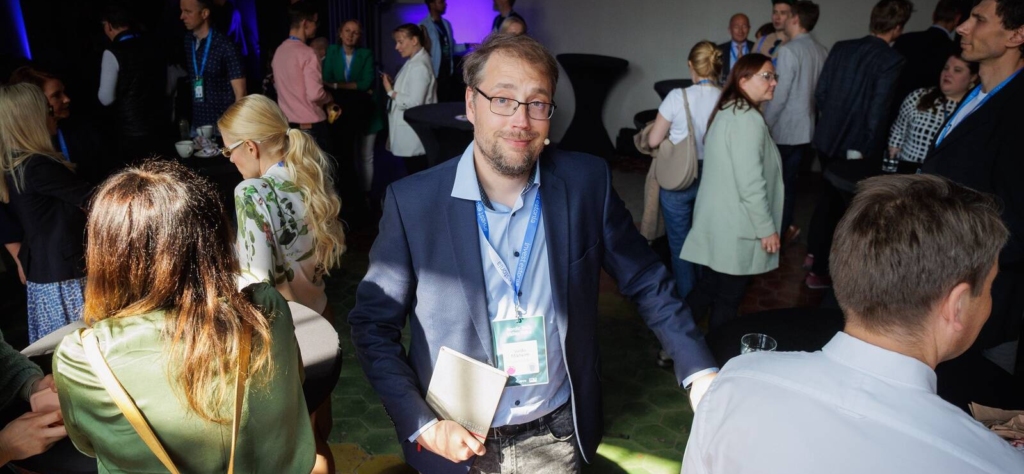
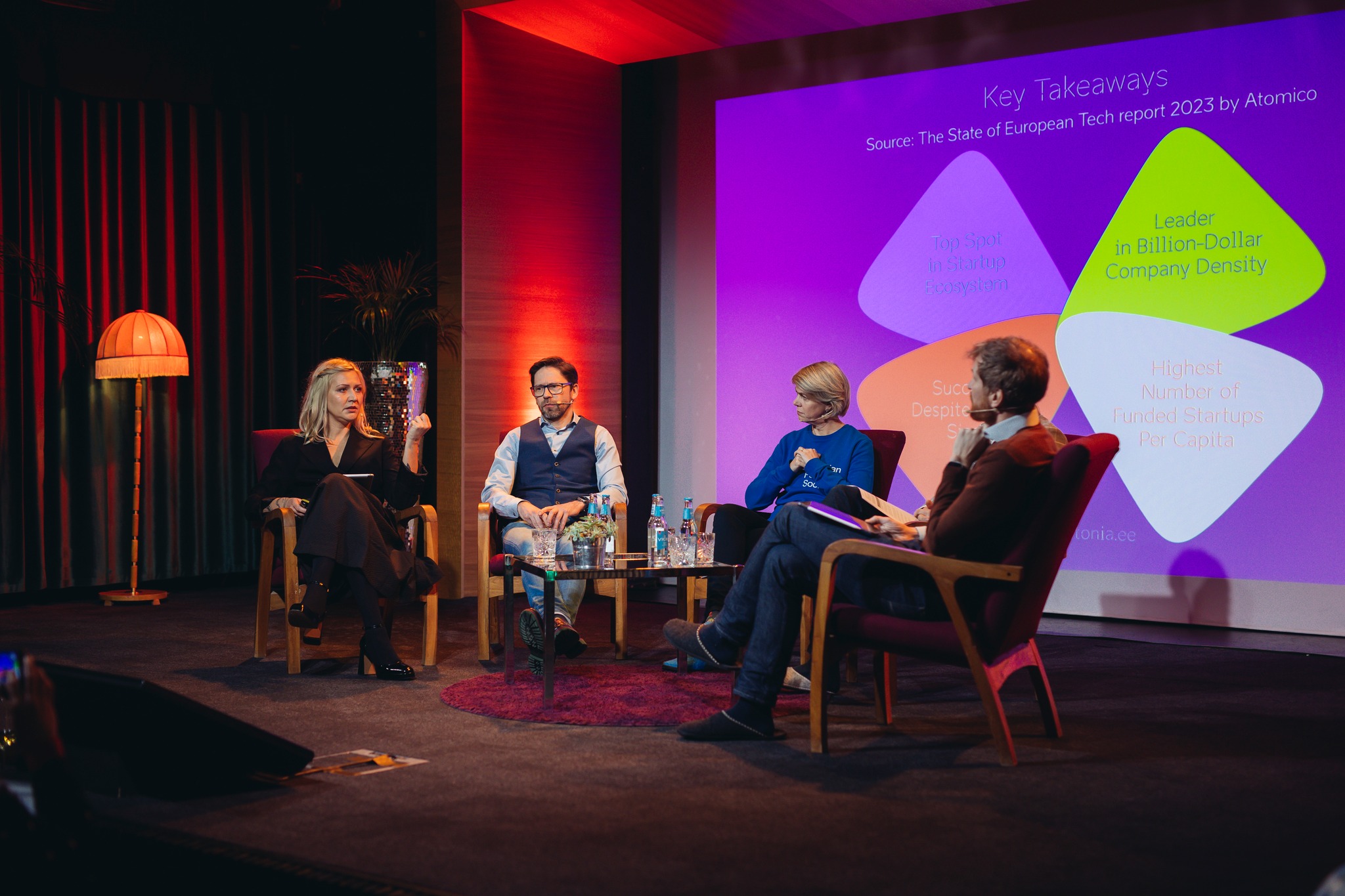
Last Thursday evening, key players from the Estonian startup ecosystem were invited by Startup Estonia, the Estonian Business Angels Network EstBAN, the Estonian Private Equity & Venture Capital Association EstVCA, the Estonian Founders Society, and Invest in Estonia to our annual gathering.
This event served as an opportunity to retrospectively analyze the past year and strategize for the future.
The discussion, moderated by Eve Peeterson, the Head of Startup Estonia, is available for replay at the following link.
Startup Estonia Focus Area CyberTech has been Finalized
This report encapsulates the journey of nurturing a cybersecurity ecosystem and the pivotal role of startups in enhancing national cyberdefense capabilities.
- Explore the evolution of Estonia’s CyberTech sector with our detailed report covering support activities from 2017 to 2023.
- Uncover the collaborative efforts of Startup Estonia and key ministries that have fostered a robust environment for cybersecurity innovation.
- Gain insights into the sector’s growth, the strategic initiatives that propelled it, and the recommendations set forth for its future enhancement.
Summary of The State of European Tech Report 2023 by Atomico.
Author: Atomico (supported by Slush, Orrick, HSBC innovation Banking, affinity)
Full report: State of European Tech report 2023
General
- Europe is creating more new startups than the US, and while startup formation has slowed this year, this is largely due to the weeding out of first-time founders, with the share of repeat founders remaining stable.
- The number of unique investors in European tech has risen consistently over the past decade. VCs have raised more than $50B in new funds locally since 2021.
- Since 2014, Europe has minted more than 350 new unicorns. The continent’s tech ecosystem is well-stocked with more than 3,900 growth-stage tech companies that have the potential to become the next generation of household names and success stories. Europe also has 41,000 early-stage startups – and in the next five years alone, at least 25,000 more tech startups are expected to be formed.
- Funded European companies are as likely as their American counterparts to scale to a billion-dollar valuation after five years in operation. Yet U.S. startups are 40% more likely to have secured venture capital funding in the same timeframe. That said, Europe’s share of global VC reached 17% in 2023 – showing the market is awakening to this opportunity and closing the gap.
- Investment levels have dropped globally.
- Investment Patterns: There is a notable decrease in US investor participation in Europe, though US involvement is still above historical norms. Investment levels in European tech are on track to reach $45 billion in 2023, which is significantly less than the $82 billion raised in 2022. There has been a notable reduction in the emergence of new billion-dollar startups (“unicorns”) in Europe, with 2023 on track to see the lowest number in the last decade.
- Tech Entrepreneurship Growth: Europe has experienced a meteoric rise in tech entrepreneurship, with the number of new tech startups founded each year in Europe surpassing those in the United States for the past five years. On average, around 15,200 new tech startups have been founded annually in Europe, compared to 13,700 in the U.S. The UK remains a significant contributor, accounting for about a quarter of all new tech startups in Europe, while France is the fastest-rising country in terms of the share of new tech startups created each year.
- Source of Capital Investment: The geographic source of capital invested in European tech companies during early-stage funding rounds has remained broadly consistent over the past five years. Investment comes from various regions including the Rest of the World, Asia, North America, and Europe itself.
- Rounds Sizes and Capital Investment Volumes: Capital investment volumes are being influenced by changes in round sizes. Later-stage funding rounds have shown signs of stabilization, aligning with longer-term averages. However, at the Seed and Series A stages, round sizes, following rapid increases in 2020 and 2021, have stabilized but remain elevated compared to historical levels.
- Focus of Limited Partners (LPs) and Challenges for VCs: Limited Partners have increasingly shifted their focus towards top venture capital (VC) fund managers, with more capital going to the biggest funds. There has also been increased activity in secondary transactions in the Private Equity Market, suggesting a move towards market clearance and liquidity for LPs. Both VCs and LPs are aligned in recognizing the challenges of navigating the fundraising environment and the impact of a subdued exit landscape on liquidity and distributions.
- Investment in AI Sector: AI investment has soared globally. Investment in the Artificial Intelligence (AI) sector in Europe is notably strong, with 2023 total investment on track to match or exceed the previous year’s record of $8.7 billion. AI & Machine Learning companies accounted for 11% of the total investment in 2023. What’s more, Europe already has a growing and maturing ecosystem of late-stage companies with AI at their core. Eleven mega-rounds of $100M+ were raised by AI companies in Europe in 2023 alone. While AI investment in Europe has grown substantially, it still lags behind the investment levels seen in the U.S. In the past five years, nearly $35 billion has been invested in European AI companies, compared to more than $130 billion in U.S. AI companies.
- Nordic Countries and Pension Fund Investments: Venture Capitalists (VCs) based in the Nordic countries are the largest beneficiaries of local pension funds’ investment activities. The Nordic region also stands out for having the highest share of funding raised from non-local pension funds, indicating a strong base of local Limited Partners (LPs) that attracts overseas interest.
- Shift in Capital Investment Across Countries: The United Kingdom has lost its lead in terms of the share of total capital invested in Europe per country over the last three years. Meanwhile, countries like France, the Netherlands, and Norway have seen gains in this area.
- Capital Investment Trends: Among the Nordic countries, Sweden is highlighted as one of the top five countries by capital invested in 2023, alongside the United Kingdom, France, Germany, and the Netherlands. In the Baltic region, Lithuania is noted as one of the few countries to have recorded a year-on-year increase in total capital invested in 2023, indicating a positive trend in investment activities in these regions.
- European tech is not losing its strong appeal to talent. In the last five years, European tech has expanded its workforce from slightly over one million employees to more than 2.3 million today.
- Talent Dynamics: The sectors of sustainability and health are significant talent magnets. The challenge of recruiting and retaining top-tier talent persists, emphasizing the importance of employee engagement and wellbeing. The European tech sector experiences a net gain in global tech talent.
- Sustainability and Health as Talent Magnets: The sectors of sustainability and health are identified as the top areas attracting talent within the tech industry. These sectors are drawing top talent, both new to the tech industry and those moving within it, reflecting the strong appeal of purpose-led companies in attracting talent.
- Challenges in Recruiting and Retaining Talent: Recruiting top-tier talent remains a significant challenge, with strong leaders and talent deeply committed to their current organizations. Employee engagement and wellbeing have become crucial for attracting and retaining talent. Organizations that prioritize the well-being, growth, and satisfaction of their employees are likely to thrive and build lasting relationships with their workforce.
- Cross-border Movement and Skills-based Hiring: The movement of talent across borders into the European tech scene highlights the effectiveness of skills-based hiring. This approach creates a diverse and robust talent pool, essential for fostering a culture of creativity and advancing Europe’s technological prowess. The European tech sector is a net winner in terms of talent, with a significant influx of non-European tech talent, indicating its attractiveness and expansion globally.
- Concentration of $B+ Exits in Mature Ecosystems: Billion-dollar exits have been concentrated in the largest and most mature tech ecosystems, such as the UK, Germany, the Netherlands, and Sweden. These ecosystems have deeper pools of local talent and capital, as well as more established public markets. Such exits are crucial for the growth and development of local ecosystems due to the flywheel effect, where capital and talent are recycled into new ventures.
- Significant Number of Billion-Dollar Exits: Over the past five years, there have been 111 billion-dollar exits of European tech companies. This large number underscores the potential and growth of the European tech ecosystem. Europe now has a strong pipeline of billion-dollar exit candidates, indicating a robust and maturing market.
- Preference for M&A over IPOs: The majority (60%) of these billion-dollar exits have been realized via mergers and acquisitions (M&A), while reaching $B+ outcomes via initial public offerings (IPOs) has been historically less common for European tech companies. However, the report suggests that the reopening of the IPO window and the development of deep and liquid public capital markets are essential for the long-term health and progress of the European tech ecosystem.
- Role of Exits in the Tech Ecosystem: Outsized exits play a significant role in the European tech flywheel, unlocking capital and talent, and inspiring the next generation of founders. The report highlights the importance of having a healthy and functioning exit market to ensure the continued success and growth of the European tech industry.
Key takeaways for Estonia
- Top Spot in Startup Ecosystem: Estonia continues to take the top spot among countries in creating a high relative density of funded startups on a population-adjusted basis.
- Success Despite Small Size: A counterintuitive aspect of Estonia’s success in the tech sector is its small size. The tech ecosystem in Estonia is marked by a “scrappy” approach and a global outlook from the onset, as the local market is limited. This mindset has cultivated a highly supportive community of peers within Estonia.
- Leader in Billion-Dollar Company Density: Estonia stands out with 4.5 companies valued at over $1 billion per one million inhabitants. This impressive figure demonstrates Estonia’s ability to foster innovation and support the development of high-growth startups. Notable billion-dollar companies from Estonia include Wise and Bolt.
- Highest Number of Funded Startups Per Capita: Estonia has the highest number of funded startups per capita and also the most billion-dollar companies per capita in Europe. This emphasizes Estonia’s position as a leading hub for startups and innovation on the continent.
- UK, Sweden, and Finland have seen the largest erosion of their relative share of European funding, while the Netherlands, Norway and Estonia are amongst the countries that have captured the biggest gains.
Key takeaways for Deep Tech
- Characteristics of Deep Tech Companies: Deep Tech companies are characterized by an extended research and development (R&D) phase and a higher proportion of technical staff compared to conventional ventures. They often involve the development of hardware and/or intellectual property (IP). These ventures represent fundamentally new science and engineering innovations entering the commercial space for the first time.
- New Challenges for DeepTech Startups: DeepTech startups in Europe are tackling new and diverse challenges, including novel energy solutions like fusion and new battery chemistries, access to space, deployment of new astral infrastructure, and breakthroughs in AI, computational biology, and computing technologies such as photonics, decentralized networks, and quantum computing. These companies have the potential to become the next giants in their fields but face significant challenges such as gaps in growth stage funding, the need for concentrated talent hubs in Europe, and intense global competition, especially from the US and China.
- Investment Trends in Deep Tech: Investment in European Deep Tech companies has seen a significant increase, with 44% of total capital invested in 2023, up from just 15% a decade ago. This marks a shift in investment trends, with Deep Tech investments outperforming the broader slowdown in investment volumes across Europe. The sectors driving this robust investment include breakthrough technologies in the Carbon & Energy sector and a strong trend of investment in European AI companies. The overall strength of Deep Tech investment reflects Europe’s solid foundation of academic and research institutions and its robust pool of technical talent.
Forecasts and recommendations for the future of European technology
- Positive Outlook and Diversification of Investors: Looking ahead to 2024, there’s an expectation of diversification and expansion among European investors, with a commitment to continue investing throughout market cycles. This trend, particularly the stability in early-stage investment, is expected to encourage new entrepreneurs. The report also notes a strong momentum in purpose-driven technology, particularly in areas like sustainability, climate, and foundational technologies like Generative AI.
- Optimistic Sentiment in the European Tech Industry: The survey conducted for the report reveals a largely positive outlook on the future of European technology, with about half of the respondents feeling more optimistic compared to the previous year. This optimism is approximately double the share of respondents who felt less optimistic over the past year, indicating a growing confidence in the European tech ecosystem.
- Need for Increased Access to Capital and Embracing Risk: The report highlights that although Europe has been successful in fostering tech startup formation, there is a growing gap in these startups’ ability to secure external investment compared to their U.S. counterparts. After five years, U.S. tech startups are 40% more likely to have secured venture capital funding. This calls for an increased focus in Europe to ensure that funding flows to European talent, helping them to compete globally and shape the future of technology. The report underlines the need for the European tech ecosystem to embrace both the opportunities and risks associated with technological development and innovation.
Summary created by: Moonika Mällo (Startup Sector Monitoring Project Lead, Startup Estonia)
Global Cleantech Innovation in 2024: Forecasting the Decade’s Defining Trends.
- Webinar Overview: Discuss major 2023 cleantech milestones, 2024 expectations, and long-term innovation trends setting the stage for the 2020s and beyond.
- Key Topics:
- Investment dynamics: Analyzing 2023’s unexpected investment surge and 2024’s prospects.
- Innovations in tough sectors: Strategies for steel, cement, and chemical industries.
- Manufacturing advancements: Efficiency improvements in new energy materials.
- Decarbonizing challenge: Balancing current infrastructure decarbonization with sustainable future real estate development.
- Business model enhancements: Speeding up the adoption of innovative crop inputs.
- Event Details:
- Date/Time: Tuesday, February 6th, 11:00 AM EST | 8:00 AM PDT | 4:00 PM GMT | 12:00 AM SGT.
- Registration Note: Limited to the first 500 registrants. Recording available post-event for those who can’t attend. Register Now.
International EdTech Hack 2023 Final Results and Award Ceremony Worth to Celebrate
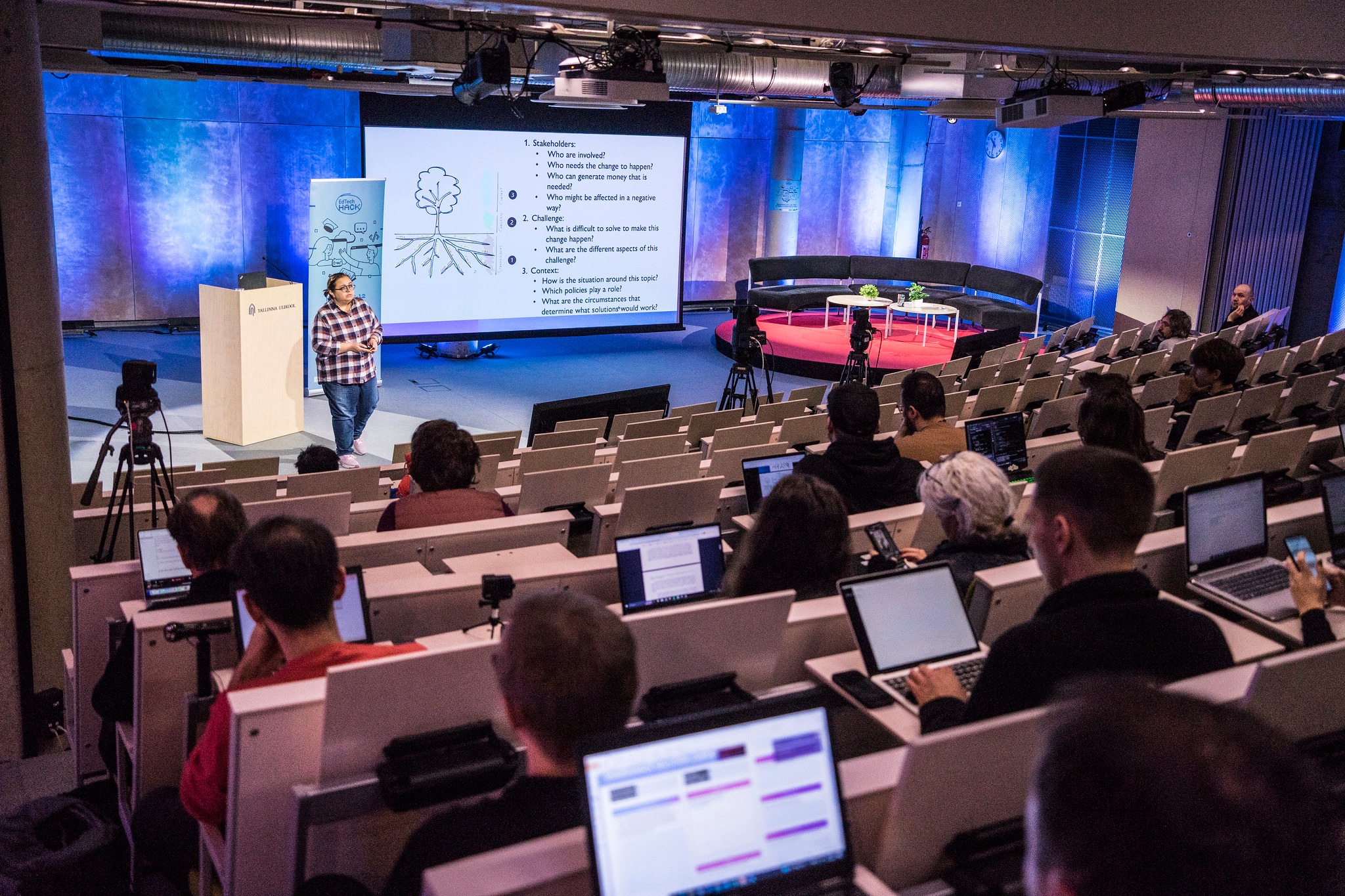
Tallinn University, Edtech Estonia, and Startup Estonia hosted an international educational hackathon. The event witnessed the participation of 35 teams and 200 participants from 45 countries, engaging both on-site at Tallinn University and online.
The jury awarded solutions that excelled in quality, relevance, originality, applicability, sustainability, and scalability. In total, 14 teams were recognized with monetary and non-monetary awards: Digiabi, KOIT, Edmap, Estonian Odyssey: Learning through narrative-based game, Transful, Stories about Baltics, Siftlab, Claar Education, Õpivaim, KaiMeRa, AI Tools for Teachers in Estonia, Vestlur, Inu, MyZone.
Congratulations to all participants and winners!
Missed the event and valuable lectures? See the recording here.
News From the Other Ecosystems Around
Israeli Government Launches Ambitious Stimulus Package to Propel High-Tech Industry
The Israeli government has introduced a groundbreaking stimulus package to fortify Israel’s position as a global high-tech leader. Developed by the Ministry of Finance and the Israeli Innovation Authority, this comprehensive initiative includes the launch of a revolutionary startup fund that, alongside private investors, will annually contribute over half a billion shekels to early-stage startups. Additionally, the package introduces a new YOZMA Fund to motivate Israeli institutional investments in venture capital funds and a Venture Creation Incubators’ Fund to foster international collaboration in deep-tech sectors.
According to Finance Minister Betzalel Smotrich, this robust investment in the high-tech sector is crucial for Israel’s economy, aimed at directly supporting young tech companies and providing a substantial capital influx to venture capital funds. Dror Bin, CEO of the Innovation Authority, asserts that this strategic plan is essential for the high-tech sector’s growth, addressing the decline in startup diversity and the heavy reliance on foreign capital.
The stimulus package is expected to significantly enhance the high-tech industry’s competitive edge and resilience, marking a pivotal moment for the Israeli economy’s technological advancement and innovation.
Finnish Deep Tech Firms Face Funding Challenges Amid Shrinking Investment Rounds
Finnish deep tech startups and growth companies are encountering significant financing hurdles, with investment rounds diminishing in size as international capital influx slows, as revealed by Tesi’s latest study.
Despite securing €180 million by October this year, the overall capital raised marks a sharp decline from the €432 million in 2022, lacking large-scale investment rounds common in the previous year. With a cautious projection of needing half a billion euros next year, these firms face a double-edged sword: not only is raising growth capital more challenging in the current economic climate, but the rate of new deep tech startups being established has also slowed considerably.
Tesi, along with Voima Ventures, VTT, and Business Finland, underscores the urgency of addressing these funding gaps to ensure the continued innovation and growth of this critical sector.
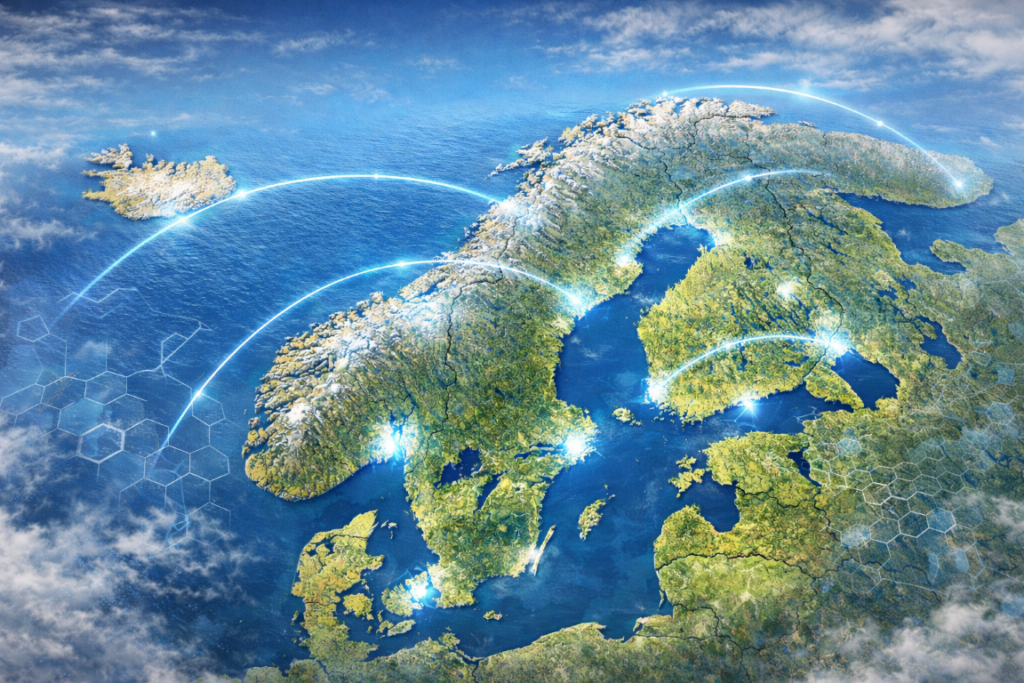
Lastly, have a look at the comprehensive overview of technology startups and VC’s in New Nordics Region analyzed by byFounders.
Read the full presentation here.